
Every August we get a call that starts the same way. The tree was fine. Not struggling, not thin, not dropping anything. Fine on Monday. By Thursday the whole thing was brown and the leaves were still hanging on it.
People assume they missed something. Usually they didn't. What they're describing is a specific disease, it lives in this valley, and it's one of the few things that really can take a healthy tree down in a matter of days.
What it is, and why it's a desert problem
The fungus is called Phymatotrichopsis omnivora. Most people know it as Texas root rot or cotton root rot. It's native to the southwestern United States, and California's Department of Food and Agriculture is specific about where it lives here. Imperial County and parts of Riverside and San Diego counties, desert only.
The Coachella Valley is named in the state's quarantine. That quarantine restricts moving soil and rooted nursery stock in and out of the area, which tells you how seriously the state takes it. This isn't something we're importing from Texas. It's a native fungus and it is already in desert ground.
Worth being straight about the scale of it, though. UC puts the worst of it in the Palo Verde valley, and says the Imperial and Coachella valleys are affected to a lesser extent. So this isn't behind every dead tree in your neighborhood. It's the thing to rule out when a healthy tree dies unusually fast in the heat, and it's the reason to find out before you replant.
It also likes exactly the soil we have. CDFA says it does best in alkaline, calcareous soils with a pH between 7.0 and 8.5 that don't drain well. That describes a lot of yards in this valley, from the older parts of Indio and Coachella out to Thermal.
Why it happens in summer and not any other time
This is the part that catches people out. The fungus needs heat in the soil, not just in the air.
CDFA and UC both put the window at June through September, when soil temperatures reach or go past 82 degrees. Below that, an infected tree can look completely normal. The fungus is down there either way, but it doesn't do much until the ground warms up.
So a tree can carry this for a season or more, look healthy the whole time, and then collapse in the middle of summer. Nothing changed above ground. The soil got hot.
What it looks like
The state's own description is worth repeating because the timeline is what makes it recognizable. Symptoms develop rapidly, and death can occur within three days on plants that were previously showing nothing and growing well.
The sequence goes like this. First a slight yellowing or bronzing of the leaves, easy to miss and easy to blame on heat. Then rapid wilting. Then the tree is gone.
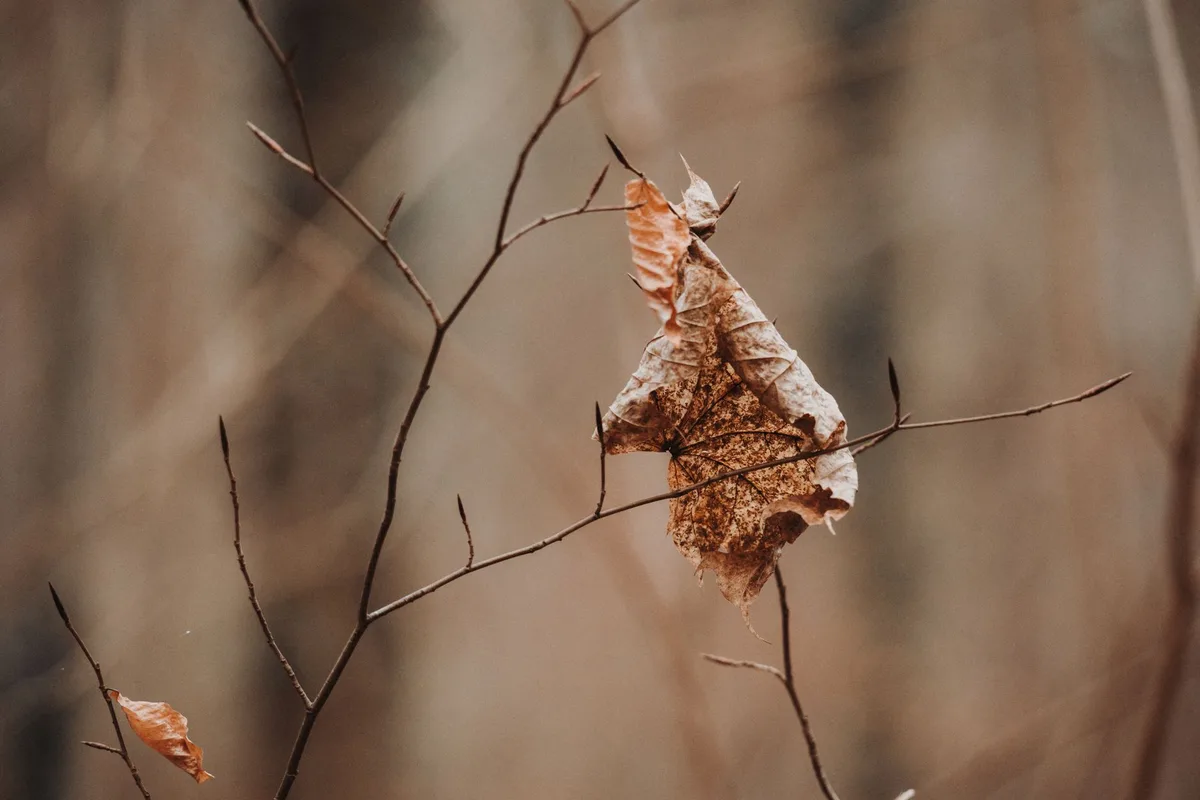
The detail that separates it from almost everything else is what happens to the leaves. They usually stay firmly attached. A tree that dies of drought or root damage tends to drop its leaves. This one browns and holds on to them, so you end up with something that looks like a photograph of a tree rather than a tree.
Underground there's a second sign. Pull a root and look at the surface, and there's a network of brown strands running along it, almost like coarse thread laid over the root. Sometimes creamy yellow cushion-like mats show up on the soil surface near a dying plant after irrigation. Those strands are the thing a lab looks for.
Why it's hard to be sure without digging
Above ground, this looks like several other problems. Verticillium wilt looks like it. Fusarium looks like it. So does plain drought stress if the irrigation failed while you were away.
That's why we don't diagnose this from a photo of the canopy. The answer is at the roots and in the soil, and in a lot of cases it needs a lab to confirm. That is the ordinary shape of how we work a diagnosis, start at the cause instead of the symptom. Getting it wrong in either direction is expensive. Treating for something the tree doesn't have wastes money, and assuming it's just drought means you replant into infected ground.
The host list, and the one useful exception
The name omnivora is not an exaggeration. CDFA counts more than 2,300 species of dicots as hosts, including 35 forest and shade trees, 18 fruits and berries, citrus among them, and most vegetables and ornamental shrubs.
Here's the exception that actually helps you. Monocots are thought to be immune. That means palms, and it means the ornamental grasses and agaves people use out here. Immune to this one is not the same as trouble-free, though, and what actually kills palms here is a different list entirely.
So if you lose a tree to this and you want to plant something in the same spot, a palm is the sensible answer. Putting another broadleaf tree in that hole is putting it into soil that already has the thing that killed the first one.
There is no cure, and that changes what you should spend money on
Nobody eradicates this from a property. The fungus grows down to about six feet and survives for years in ground with nothing planted in it, so waiting it out isn't a plan either.
What that means in practice is that the money is better spent on the decision than on a treatment. Confirm what killed the tree. Map roughly where in the yard it is, because it tends to spread outward in a patch rather than jumping around. Then choose replacements that can't get it.
Drainage and soil condition matter too, since the fungus does its worst in heavy, poorly aerated ground. That's a longer conversation and it depends on the yard.
When to call
Call quickly if a tree went from healthy to brown inside a week in summer, and especially if the dead leaves are still hanging on it. That combination is unusual enough to be worth a look.
Also call before you replant, not after. That's the moment where knowing what happened is worth real money, and it's the moment people usually skip. A tree that dies the same way two years running in the same corner of the yard was telling you something the first time.
We are on Highway 111 in La Quinta and we cover the valley from Palm Springs through Indio and Coachella. If a tree went down fast and you want to know what is in that soil before you put another one in it, that is a straightforward tree doctor visit from the Coachella Valley office.